
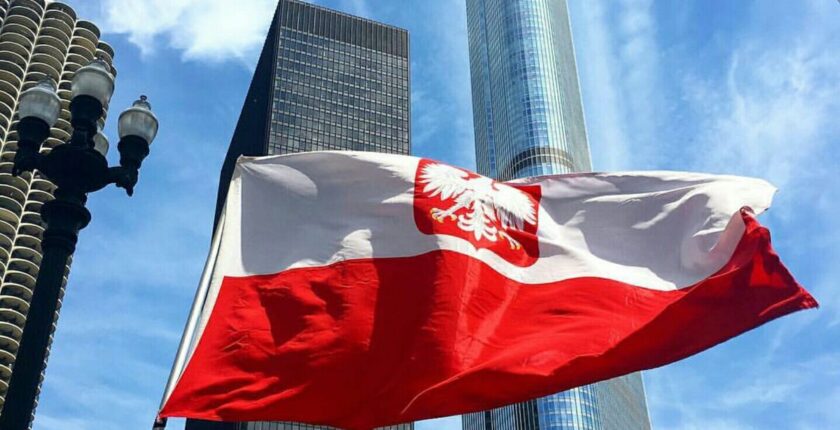
Poland Work Visa 2026: Complete Guide for Job Seekers from South Asia
Poland Work Visa 2026: Complete Guide for Job Seekers from South Asia
Let me be real with you for a second.
Poland is not a secret anymore. People from Pakistan, India, Bangladesh, Nepal, the Philippines — they are all talking about it. And for good reason. The country genuinely needs workers and the visa process, while not perfect, is more accessible than most European countries right now.
But here is the problem. Most people either get scammed on the way there or reject themselves before even trying because the process looks confusing. This guide exists to fix both of those things. Read it slowly. Share it with whoever needs it.
What Is a Poland Work Visa and Why Should You Care?
A Poland work visa is what allows you to legally enter Poland and work there for a set period. The one most workers from South Asia and Southeast Asia apply for is called the National Visa or D type visa. It is usually valid for up to a year and can be extended once you are already there.
Now here is the thing people often misunderstand. Poland does not just hand out work visas because you want one. There has to be a real employer on the other side who actually wants to hire you. That employer has to apply for something called a work permit on your behalf before you can even walk into an embassy. No employer, no permit. No permit, no Poland work visa. That is just how it works.
Once that permit comes through you use it to apply for the visa at the Polish embassy in your home country. Then you go. Simple in theory, a bit more complicated in practice. We will get into all of it.
Who Can Actually Apply?
This is where a lot of people waste time applying for something they are not eligible for. So let us just go through it quickly.
You need to be from outside the EU. You need a genuine job offer from a registered Polish company. You need a valid passport with at least six months left on it. You need to meet whatever requirements the job has, whether that is a skill, a certificate, or just willingness to do physical work. And you should have no serious criminal history that would block your entry.
For South Asian applicants the good news is Poland has been bringing in workers from this region for years now. Manufacturing, warehousing, food processing, construction, logistics — these sectors have real and ongoing demand. If you are willing to work hard Poland has space for you.
Documents You Need to Gather
Missing one document can set you back weeks. So get this right the first time.
| Document | What You Need to Know |
|---|---|
| Valid Passport | At least 6 months validity, 2 blank pages minimum |
| Work Permit | Your employer gets this before you apply |
| Visa Application Form | Fill every single field, nothing blank |
| Passport Photos | Recent, white background, embassy specifications |
| Signed Employment Contract | Both you and employer must sign |
| Proof of Accommodation | Where you will actually live in Poland |
| Travel Insurance | Minimum 30,000 EUR coverage required |
| Bank Statement | Shows you can cover initial expenses |
| Educational Certificates | Especially important for skilled roles |
| Medical Certificate | Some embassies ask for this, check yours |
One thing people always forget. If your documents are not in English or Polish get them properly translated by a certified translator. Not Google Translate. A real certified translator. Embassies notice the difference and it matters.
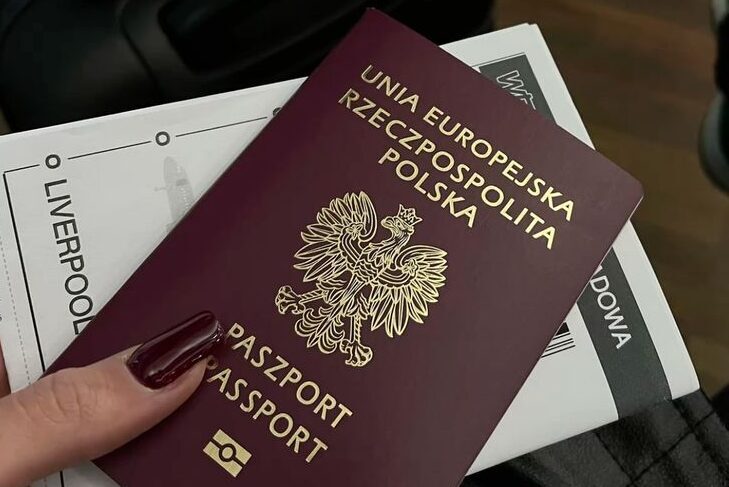
Step by Step — How the Whole Process Works
Step 1 — Find a Real Employer
This is the hardest part and also the most important. You need an actual Polish company willing to hire you. LinkedIn works. Polish job portals work. Some legitimate recruitment agencies work. What does not work is paying someone in your city who promises they have contacts in Warsaw. Verify everything before giving anyone money.
Step 2 — Employer Files for Your Work Permit
Once an employer agrees to bring you on they submit an application to the regional Polish authority called the Voivode office. This step is entirely on their side. You just wait. Processing can take anywhere from two weeks to three months depending on the region.
Step 3 — You Receive the Work Permit
The employer sends you the approved permit document. This is the piece of paper that makes everything else possible. Keep it safe. Make copies.
Step 4 — Book Your Embassy Appointment
Contact the Polish embassy in your country and get an appointment booked as early as possible. In countries like Pakistan and India wait times can stretch to several weeks so do not leave this late.
Step 5 — Attend Your Visa Appointment
Show up with every document on that list above. The officer may ask about your job, your employer, your plans. Answer honestly. Do not overthink it.
Step 6 — Wait for Processing
The Poland work visa typically takes 15 to 60 days to process after your appointment. Do not book non-refundable flights during this period. Just wait.
Step 7 — Travel and Register
Visa approved, passport back in hand, now you go. After arriving in Poland register your address within the first few days. Your employer should guide you through the remaining steps on that side.
What Kind of Money Are We Talking?
Let us be honest about salary because a lot of people get unrealistic expectations before they arrive.
Factory and warehouse roles generally pay between 3,500 and 5,000 Polish Zloty per month. That is roughly 800 to 1,200 USD. Construction workers with decent skills can earn 5,000 to 7,000 Zloty. IT and engineering roles start much higher, often above 8,000 Zloty and going well beyond that depending on experience.
Poland’s minimum wage in 2026 sits around 4,300 Zloty per month. That applies to every legal worker regardless of where they are from. If someone is offering you significantly less than that something is off and you should ask questions.
Things That Actually Help Your Application
Learn some basic English before you go. Even basic communication skills make a huge difference both in getting hired and surviving daily life once you are there. Get your documents properly attested. Sloppy paperwork is genuinely one of the most common reasons for rejection and it is entirely avoidable. Stay in regular contact with your employer throughout the process. A good employer keeps you informed. If yours goes silent for weeks that is worth paying attention to.
Mistakes That Cost People Real Money
- Paying large fees upfront to agents before seeing any official documents
- Submitting forms with blank fields or missing signatures
- Using fake certificates or inflated qualifications
- Booking flights before visa approval comes through
- Not verifying whether the Polish employer is actually registered
- Ignoring embassy emails or missing your appointment slot
- Accepting a job with nothing in writing
- Waiting too long to book your embassy appointment after receiving the permit
Four Questions People Always Ask
Can I bring my family with me?
Not straight away on a work visa. But after living and working legally in Poland for a period of time you can apply for family reunification. The exact timeline depends on your visa type so check with the Polish embassy in your country for your specific situation.
How long does the whole process take?
Realistically three to six months from the moment your employer starts the work permit application to the day you land in Poland. Sometimes faster. Rarely shorter than three months. Plan accordingly.
What if I want to change my employer after arriving?
Your work permit is tied to a specific employer. Switching jobs means either you or your new employer needs to apply for a fresh permit. Working without a valid permit is illegal and can seriously affect your ability to stay in the country.
Is permanent residency possible?
Yes and this is actually one of the reasons Poland attracts long-term thinkers. After five years of legal residence you can apply for permanent residency. EU long-term resident status is also on the table which opens doors across multiple European countries. It is a long road but it is a real one.
Before You Go
Poland in 2026 is a genuine opportunity. Not a fantasy, not a scam, not something only other people get to do. Workers from South Asia and Southeast Asia are already there, already building stable lives, already sending money home and planning their futures.
But it only works if you do it properly. Real employer. Real permit. Real visa. Real contract. Everything documented and above board.
The people who cut corners either lose money, get rejected, or end up in situations they cannot get out of easily. The people who go through the right process take longer to get there but they arrive with legal status, proper pay, and actual protection under Polish law.
Start looking for legitimate employers today. Get your passport sorted if it needs renewal. Talk to the Polish embassy in your country about current requirements. And take it one step at a time.
Found this helpful? Share it with friends and family who are planning to work abroad. It might save them from a very expensive mistake.
conclusion
for poland latest jobs and visa guide keep in infofobia.com
any question please right down your comment.